
What habit lowers your credit score?
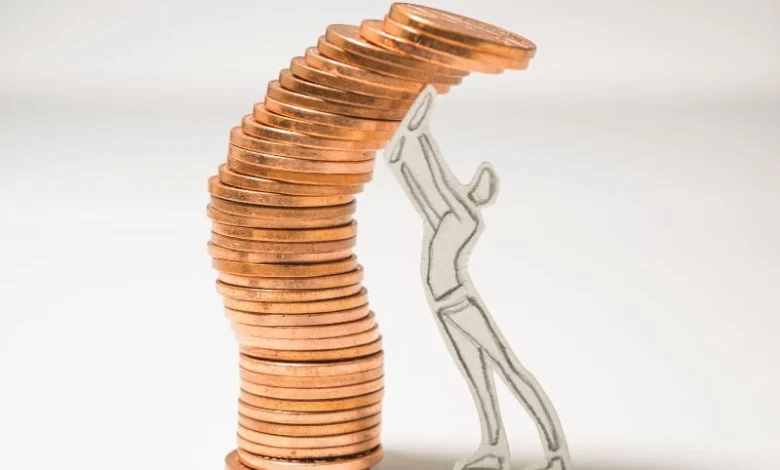
What habit lowers your credit score?
What Habit Lowers Your Credit Score?
Maintaining a good credit score is a crucial part of personal finance, impacting everything from loan approvals to interest rates and even rental applications. But many people don’t realize that certain everyday habits can quietly chip away at their credit score. If you’ve ever wondered what habit lowers your credit score or what behaviors to avoid, this article dives into the most common actions that can harm your credit rating and offers guidance on how to steer clear of them.
Why Your Credit Score Matters
Your credit score is more than just a number—it represents your creditworthiness to lenders, landlords, and sometimes even employers. Scores typically range from 300 to 850, with higher numbers indicating better credit health. A higher credit score means you can qualify for better interest rates on mortgages, credit cards, and auto loans, potentially saving you thousands of dollars over time.
But a declining credit score can limit your financial options and increase borrowing costs. Understanding which habits lower your credit score is the first step toward protecting your financial future.
Top Habits That Lower Your Credit Score
Many credit-damaging habits stem from how you manage your credit accounts and debts. Let’s explore the most detrimental behaviors that can take a toll on your credit score:
1. Missing Payments or Paying Late
Payment history is the single most influential factor in your credit score, accounting for about 35% of your overall FICO score. Late payments, even by a few days, can negatively affect your credit.
When you miss a bill or pay late, creditors report it to credit bureaus, and this can lead to a significant drop in your score. Consistently missing payments or falling behind on loans signals to lenders that you are a higher risk borrower.
- Set up automatic payments or reminders to avoid late fees.
- If you’re struggling financially, communicate with your lender ahead of time.
2. Maxing Out Your Credit Cards
Your credit utilization ratio — the percentage of your available credit that you use — is the second most important factor, contributing roughly 30% to your score. Maxing out credit cards or consistently using a high percentage of your limit lowers your score.
Experts generally recommend keeping your utilization below 30%. Using 80-100% of your credit limit can signal financial distress and reduce your credit score.
- Pay down balances regularly.
- Ask for credit limit increases if you can manage them responsibly.
3. Closing Old Credit Accounts
While it might seem beneficial to close unused cards, doing so can harm your credit by lowering your average account age and reducing your total available credit.
Length of credit history makes up about 15% of your credit score. Older accounts help boost this factor, showing lenders that you have a long and consistent credit history.
- Keep old accounts open, especially those with no annual fee.
- Avoid closing accounts just to reduce the number of cards.
4. Applying for Too Much New Credit
Every time you apply for a new credit card, loan, or mortgage, a hard inquiry appears on your credit report. While one or two inquiries might have a minimal impact, multiple applications in a short time can lower your credit score.
Hard inquiries can decrease your score by a few points and stay on your report for up to two years, though they usually affect your score for about one year.
- Only apply for credit when necessary.
- Shop for loans within a short time frame to minimize impact (e.g., mortgage or auto loan rate shopping).
5. Ignoring Your Credit Report
Regularly reviewing your credit report can help you catch errors that might be lowering your score. Many people don’t check their credit reports often enough, missing inaccurate negative information.
- Request your free annual credit reports from the major bureaus: Experian, Equifax, and TransUnion.
- Dispute any inaccuracies to protect your credit score.
Additional Habits that Can Hurt Your Credit
6. Defaulting on Debt
Defaulting on a loan means you have failed to repay the debt as agreed. This almost always results in a significant credit score drop due to the severe negative mark on your history.
7. Frequently Carrying Small Balances on Multiple Cards
Having many small balances can sometimes look like overextension and lead to a higher credit utilization ratio overall. It’s better to have a low balance or pay off your cards monthly.
8. Using Too Much Store Credit
Store credit cards often come with higher interest rates and lower credit limits. Frequent use can increase your utilization and debt burden, lowering your credit score.
How to Break These Bad Habits and Improve Your Credit
The good news is that with consistent effort, you can improve your credit score by changing certain habits. Here’s how to start:
- Automate payments. Never miss a payment by setting up autopay or digital reminders on your phone.
- Monitor your spending. Keep track of your credit card balances and pay off as much as possible each month.
- Keep accounts open. Avoid closing old accounts unless there’s a compelling reason.
- Limit new credit applications. Think carefully before applying for new credit, and space out applications.
- Check your credit reports regularly. Address any inaccuracies or fraudulent activities promptly.
Common Questions About Habits That Lower Credit Scores
Can Checking Your Own Credit Lower Your Score?
No. When you check your own credit report through official channels, it’s considered a soft inquiry and does not affect your credit score negatively.
How Long Does It Take to Recover From Bad Credit Habits?
Recovery varies based on the severity of the harm. Minor issues like a late payment can impact your score for up to 7 years, but their effect lessens over time. Improving your habits and making on-time payments can gradually boost your score within months.
Is It Ok to Use Credit Cards for Everyday Purchases?
Yes. Using credit cards for everyday purchases can help build credit, provided you pay the full balance on time every month to avoid interest and high balances.
Why Consistency Is Key to Maintaining a Good Credit Score
Your credit score doesn’t drop because of a single event alone; it reflects your long-term financial behavior. The habits that lower your credit score often happen consistently over time. Conversely, steady, positive habits—like timely payments and responsible credit use—build and maintain a healthy score.
Changing one bad credit habit can significantly impact your financial health and credit score positively. Focus on small, manageable improvements, and watch your creditworthiness grow.

Related Articles
Our HOME in English: Smart Finance: Learn, Invest, and Grow

Our Categories:
- 💳 Credit Cards: Comparisons, reviews, and tips to choose the best card for your profile — cashback, travel rewards, no annual fee, and more.
- 🏦 Digital Banks: Practical guides and evaluations of digital bank accounts, fees, benefits, and services.
- 📈 Investments: Beginner guides, fixed income and variable income options, real estate investment trusts (REITs), and more.
- 🧮 Financial Education: Learn to manage your budget, build an emergency fund, and get out of debt.
- 🚗 Loans and Financing: Explanations about mortgage, auto, and student loans, with smart money-saving tips.
- 🛡️ Insurance: Information about the most important types of insurance to protect your family and assets.
- 📊 Taxes and Income: Guidance on tax filing, investment taxation, and fiscal responsibilities.
- 🏖️ Retirement Planning: Tips to plan your retirement with private retirement plans, Social Security benefits, and passive income strategies.

What Habit Lowers Your Credit Score?
Many people don’t realize that everyday financial habits can significantly impact their credit score. One of the most common habits that lowers your credit score is making late payments. Whether it’s a credit card bill, loan installment, or utility payment, consistently paying after the due date signals to lenders that you might be a risky borrower. Over time, late payments can stay on your credit report for up to seven years, dragging down your creditworthiness and limiting your ability to access better loan rates or credit offers. Besides late payments, habits like maxing out your credit cards, applying for too many new credit lines in a short time, or ignoring your credit report can also hurt your score.
Understanding these habits and learning how to avoid them can put you on a path to a stronger financial future. By maintaining timely payments, keeping your credit utilization low, and monitoring your credit report regularly, you can protect and improve your credit score, unlocking better financial opportunities.
Conclusion
In summary, the habit of making late payments is the most damaging behavior that lowers your credit score. It negatively affects your credit history, which lenders closely examine when deciding your creditworthiness. Along with this, high credit utilization, frequent hard inquiries, and neglecting your credit report can further reduce your score. The good news is that you can take control by setting up automatic payments, budgeting responsibly, and regularly checking your credit reports for errors or fraudulent activity. Your credit score is a powerful financial tool, and adopting positive habits will help you access better loan terms, lower interest rates, and greater financial freedom. For those looking for a simple solution to track and improve their score, consider using a trusted credit monitoring product. These tools can provide real-time alerts and personalized tips, empowering you to build and maintain a strong credit profile effortlessly.
Frequently Asked Questions
What is the main habit that lowers your credit score?
Making late payments on credit cards, loans, and bills is the primary habit that lowers your credit score.
How late do payments have to be to affect your credit?
Payments are typically reported as late after being 30 days past the due date, which will negatively affect your credit score.
Can maxing out my credit cards lower my credit score?
Yes, using a high percentage of your available credit (high credit utilization) can significantly decrease your credit score.
Does opening multiple credit accounts at once harm my credit?
Yes, applying for several new credit lines in a short period leads to multiple hard inquiries, which can lower your score.
How often should I check my credit report?
You should check your credit report at least once a year to spot errors or suspicious activity promptly.
Can paying off debt improve my credit score quickly?
Paying down debt, especially credit card balances, can improve your credit score fairly quickly by lowering your utilization ratio.
Do small late payments hurt my credit as much as large ones?
Late payment impact depends on timing, not amount; even small late payments reported after 30 days can damage your score.
Will closing a credit card lower my credit score?
Closing a card can harm your score if it increases your credit utilization or shortens your credit history.
How long do late payments stay on my credit report?
Late payments can remain on your credit report for up to seven years from the date they first became late.
Is it better to pay off credit cards monthly or carry a balance?
Paying off your credit cards in full monthly is best to avoid interest charges and maintain a good credit score.
Do missed utility payments affect my credit score?
Utility payments usually don’t appear on credit reports unless significantly past due and sent to collections.
Can I improve my credit score without taking out new credit?
Yes, by paying bills on time, reducing balances, and disputing errors, you can improve your credit without new credit lines.
What is credit utilization, and why does it matter?
Credit utilization is the ratio of your credit card balances to credit limits; high ratios can lower your credit score.
Does paying off payday loans improve credit score?
Paying off payday loans can help if they’re reported to credit bureaus, but many are not regularly reported.
Are missed payments the only factor lowering my credit score?
No, other factors include high credit utilization, frequent credit inquiries, short credit history, and errors on your report.



